
When people speak about the enemies of Israel, they usually mean those who openly oppose the country: hostile governments, terrorist organizations, extremist movements, or activists who would prefer that Israel did not exist.
But there is another category that receives far less attention.
These are people who genuinely believe they are defending Israel and the Jewish people, yet whose behavior may, in practice, do enormous damage to both.
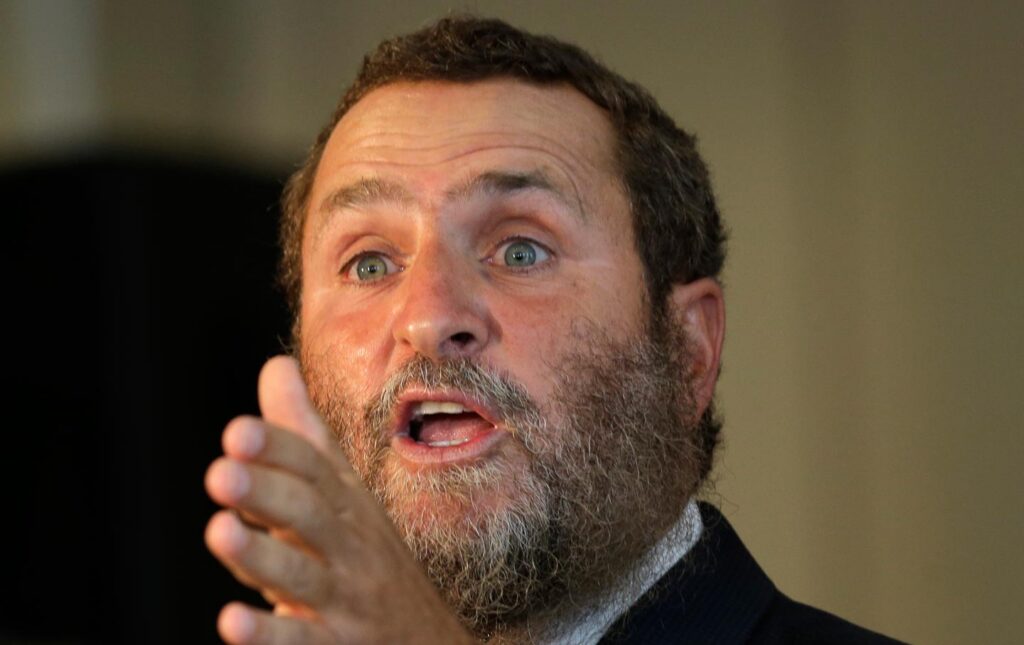
Rabbi Shmuley Boteach is perhaps the clearest example of what I mean. For a related discussion of political criticism and antisemitism, see Criticizing Israel Is Not the Same as Being Antisemitic.
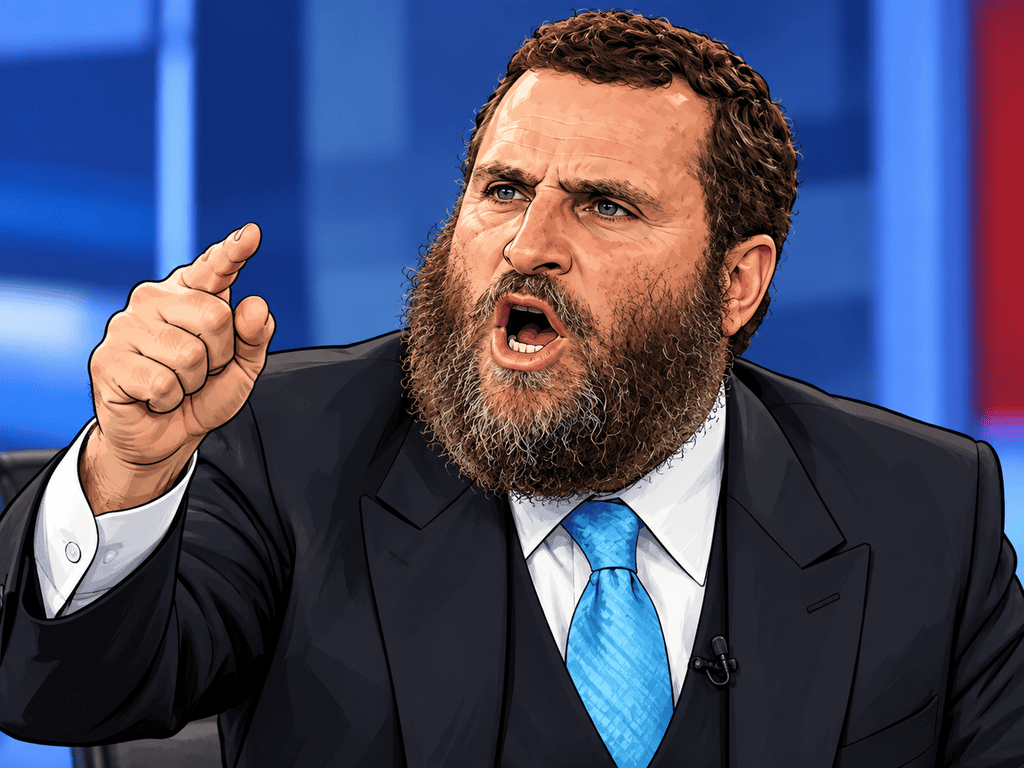
Boteach is an outspoken defender of Israel, a frequent media commentator, and someone who describes himself as “America’s Rabbi” on his own website. He has appeared repeatedly on Piers Morgan Uncensored, including in highly confrontational debates about Israel, antisemitism and related subjects.
My main problem with him is not that he supports Israel.
It is the way he does it.
Watch enough of these debates and a pattern becomes difficult to ignore. Conversations become shouting matches. People are interrupted repeatedly. Political disagreement becomes personal. And accusations of antisemitism appear with such frequency that the distinction between genuine hatred of Jews and criticism of Israel can become dangerously blurred.
I believe this is profoundly counterproductive.
In this article
Antisemitism Is Too Serious a Charge to Be Cheapened
Real antisemitism exists.
But it is an accusation that should be used carefully.
If somebody hates Jews because they are Jews, that is antisemitism.
If somebody attacks or threatens a Jewish person because of his or her Jewish identity, that is antisemitism.
But someone criticizing Benjamin Netanyahu, the Israeli government, the conduct of the Israeli military or a particular Israeli policy is not, merely by virtue of doing so, an antisemite.
The two things can overlap. They sometimes do.
But they are not automatically the same thing.
When the word antisemitism is thrown into every political argument involving Israel, something happens: people begin to stop listening.
A person who believes he has been unfairly accused of antisemitism simply for criticizing Israel may become resentful—not only toward the person making the accusation, but eventually toward the cause that person claims to represent.
Worse still, if accusations of antisemitism become associated in the public mind with ordinary political disagreement, there is a risk that people will become less responsive when genuine antisemitism occurs.
That does not help Jewish people.
It hurts them.
You Cannot Insult People Into Supporting Israel

There is also a basic problem of communication.
If your purpose is to defend Israel, presumably you want people who do not already agree with you to understand your position.
That requires persuasion.
It requires listening.
It requires being capable of hearing an argument you dislike without immediately assuming that the person making it is evil.
And it requires admitting that Israel, like every other country on Earth, can be criticized.
Watching some of Rabbi Shmuley’s television appearances, I often find myself wondering how many neutral viewers are actually being persuaded by what they are seeing.
I obviously cannot know the answer, nor can anyone reasonably calculate what percentage of viewers change their opinion because of one television appearance. But my personal reaction is often the opposite of what I assume he intends.
Instead of thinking, That was a strong defence of Israel, I find myself thinking: How many people just walked away from that discussion with a worse impression of Israel than they had before?
And that matters.
You can win every shouting match in your own mind and still lose the audience.
You can call your opponent an antisemite ten times and still fail to convince a single undecided person.
You can believe passionately that you are defending Israel while simultaneously making Israel more difficult for other people to defend.
That is the contradiction at the centre of this article.
Sometimes the people who see themselves as Israel’s fiercest defenders can become some of its worst public relations.
The Problem Is Bigger Than Rabbi Shmuley
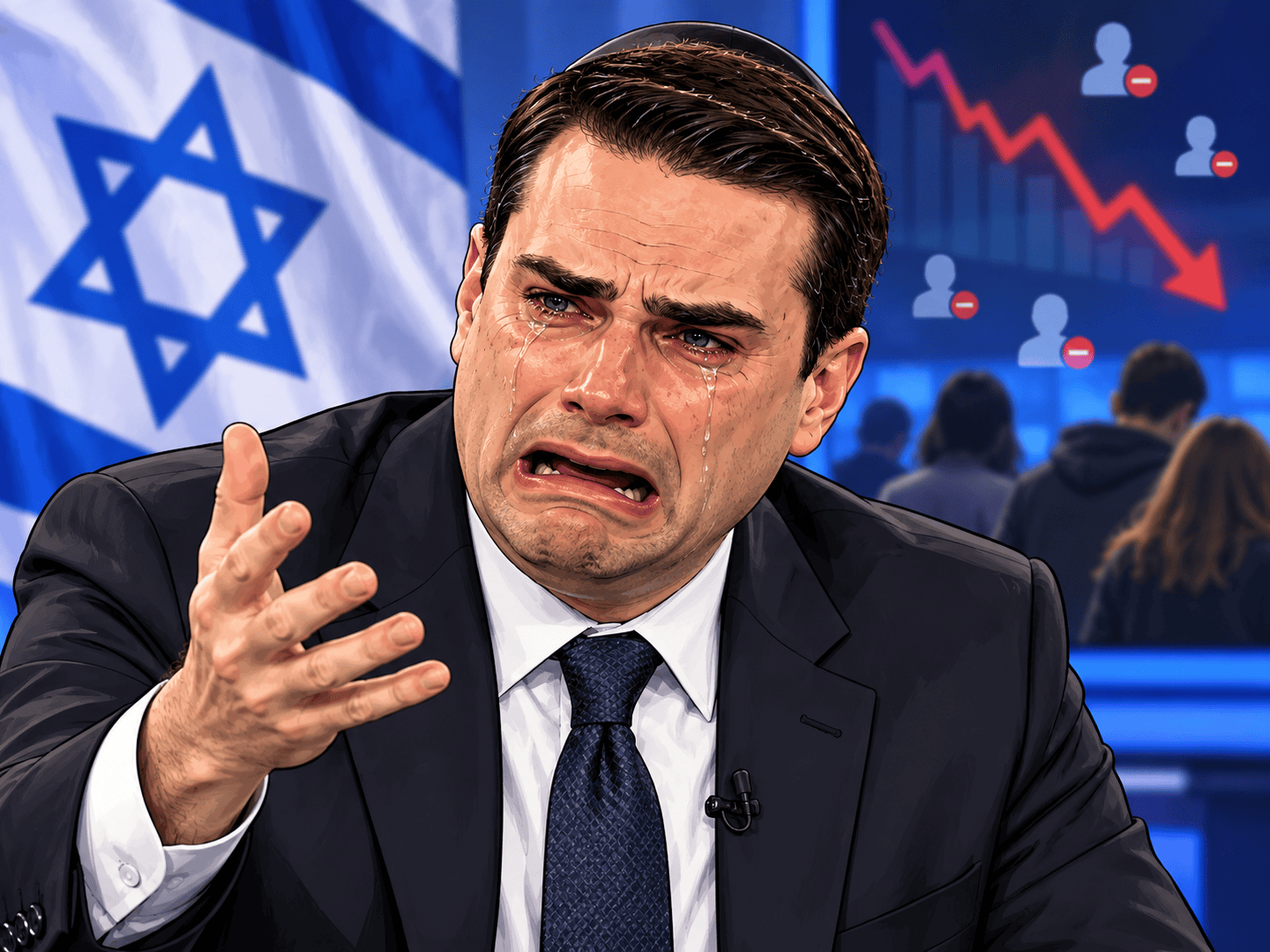
Boteach is an extreme example, but the phenomenon is larger than one person.
There are other highly visible pro-Israel commentators, including figures such as Ben Shapiro, whose arguments connect opposition to Zionism or hostility toward Israel with hostility toward Jews. Shapiro, for example, has publicly argued that anti-Zionism often serves as a cover for antisemitism.
If every opponent becomes an antisemite, all criticism becomes hatred and every disagreement becomes evidence of moral corruption, then there is no longer much room for political debate.
There is only accusation.
And this mentality is not unique to supporters of Israel.
I have seen versions of it before.
It Reminds Me of Sweden
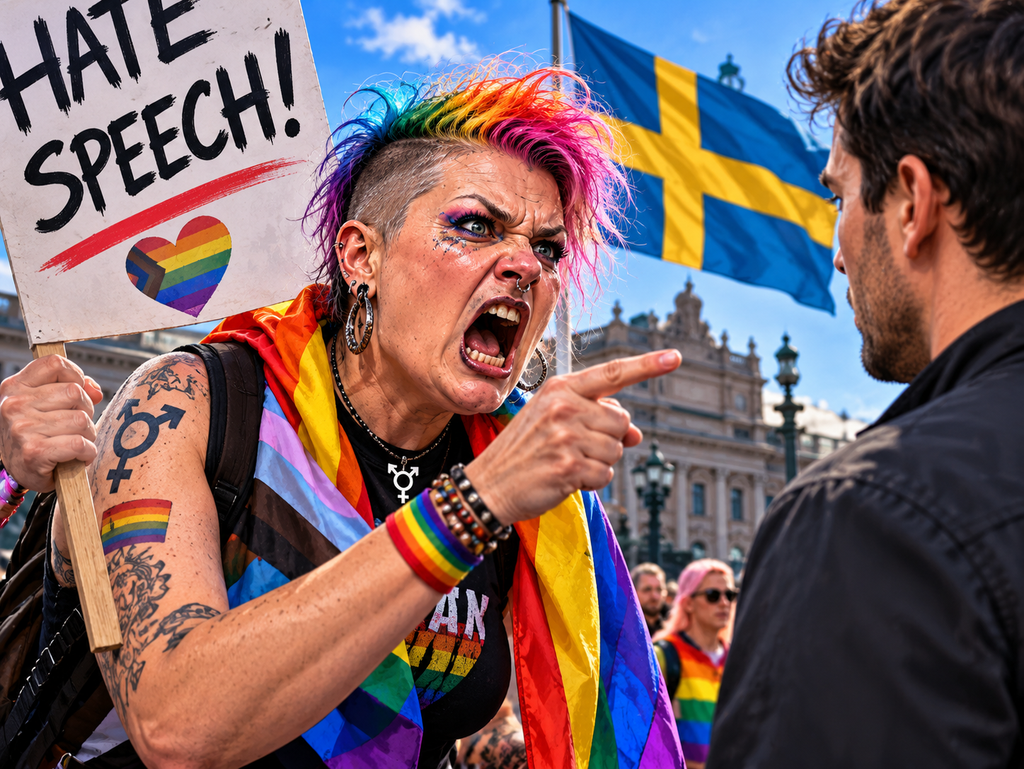
For a long time, Swedish political culture was heavily influenced by the left, and there were people within that environment whose conception of democracy sometimes seemed strangely conditional.
They believed passionately in democracy.
They believed passionately in freedom of expression.
They believed passionately in tolerance.
Until somebody disagreed with them.
Then, suddenly, the person on the other side was not merely wrong. He was dangerous, immoral, ignorant, racist, fascist or otherwise beyond the boundaries of respectable discussion.
Obviously, I am generalizing here. I am not suggesting that everyone on the Swedish left behaved this way, any more than I am suggesting that everyone who supports Israel behaves like Rabbi Shmuley.
I am talking about a particular mentality.
It is the mentality of saying:
I believe in free debate, provided you reach the correct conclusion.
That is not much of a commitment to debate.
And although the politics are completely different, something about Rabbi Shmuley’s debating style reminds me of exactly that phenomenon.
The ideological labels change.
The psychological mechanism does not.
When disagreement itself becomes unacceptable, democracy becomes little more than a word people use to describe a society in which everyone is expected to agree with them.
The Damage Does Not Stop With Israel
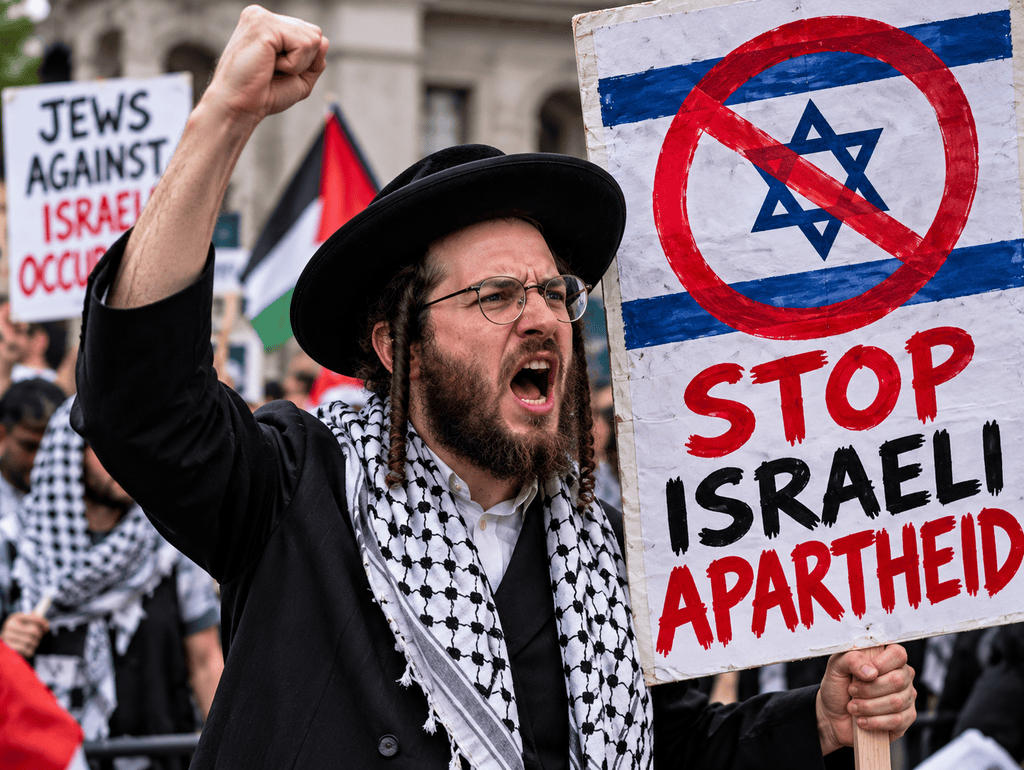
There is another reason why I think this matters, and it is much more serious than whether somebody finds a television personality irritating.
There are still far too many people who fail to distinguish between the State of Israel and Jewish people.
That is wrong.
A Jewish man living in Stockholm does not become responsible for a decision made by the Israeli government because he is Jewish.
A Jewish woman in New York does not have to answer for Benjamin Netanyahu.
A Jewish family in Paris does not represent the Israeli military.
Jewish people are individuals, with different political opinions, nationalities, religious beliefs and relationships to Israel.
They do not collectively represent a state.
And the reverse principle should apply as well: no Israeli politician, rabbi or television commentator should be allowed to become the representative of Jews everywhere simply because he happens to be loud enough to attract attention.
This is where irresponsible advocacy can have consequences far beyond Israel.
When someone presents himself as a defender of Jews everywhere while behaving in an unnecessarily confrontational manner, people who already have difficulty separating Jews from Israel may make exactly that connection.
That reaction would be unfair.
But pretending that unfair reactions do not occur does not make them disappear.
If you genuinely care about Jewish people around the world, surely it is worth considering how public rhetoric contributes to perceptions of them.
The Iceland Incident
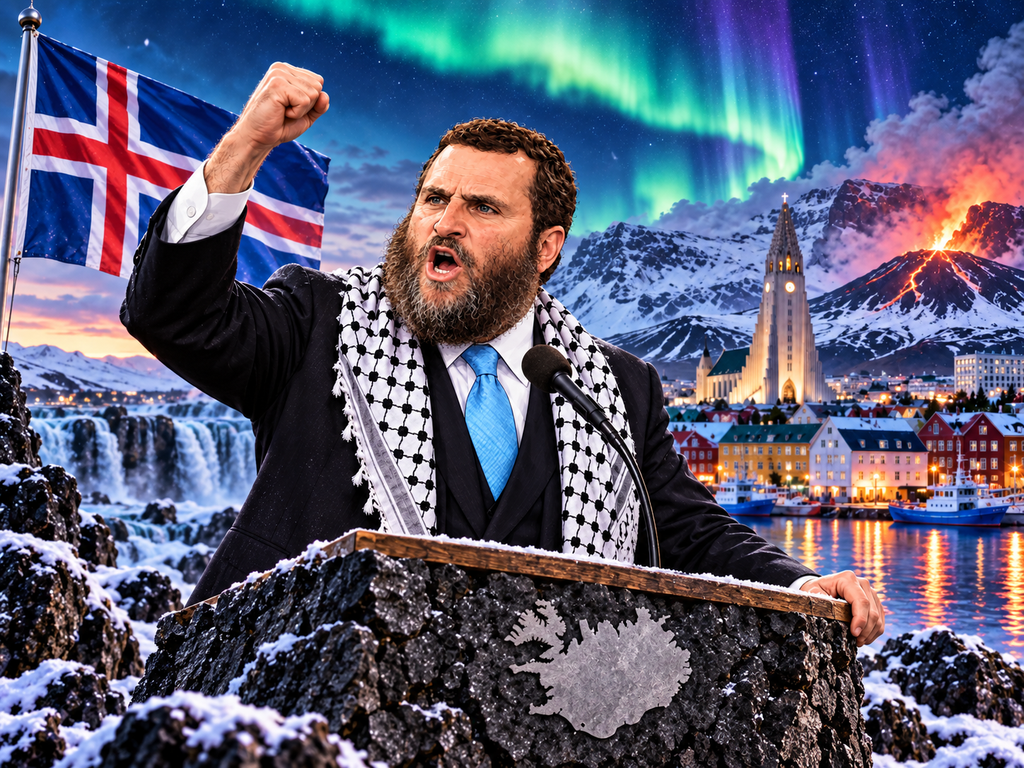
Back to Rabbi Shmuley Boteach, the recent controversy involving Boteach in Iceland is a good illustration of how quickly these confrontations can escalate.
During his 2026 visit to Iceland, Boteach said that he and his family experienced serious antisemitic hostility. Icelandic reporting also documented a confrontation with an Icelandic man in Akureyri that later became the subject of a debate on Piers Morgan Uncensored.
The parties gave sharply different accounts of what happened.
What interests me more, however, is the broader pattern.
Once again, an encounter involving criticism of Israel rapidly became a confrontation about antisemitism. Once again, cameras were involved. Once again, accusations flew in every direction. And once again, the result was not greater understanding but more hostility.
That is what I mean when I describe this kind of public persona as an ambassador of chaos rather than an effective ambassador for Israel.
This Is Not an Argument for Censorship
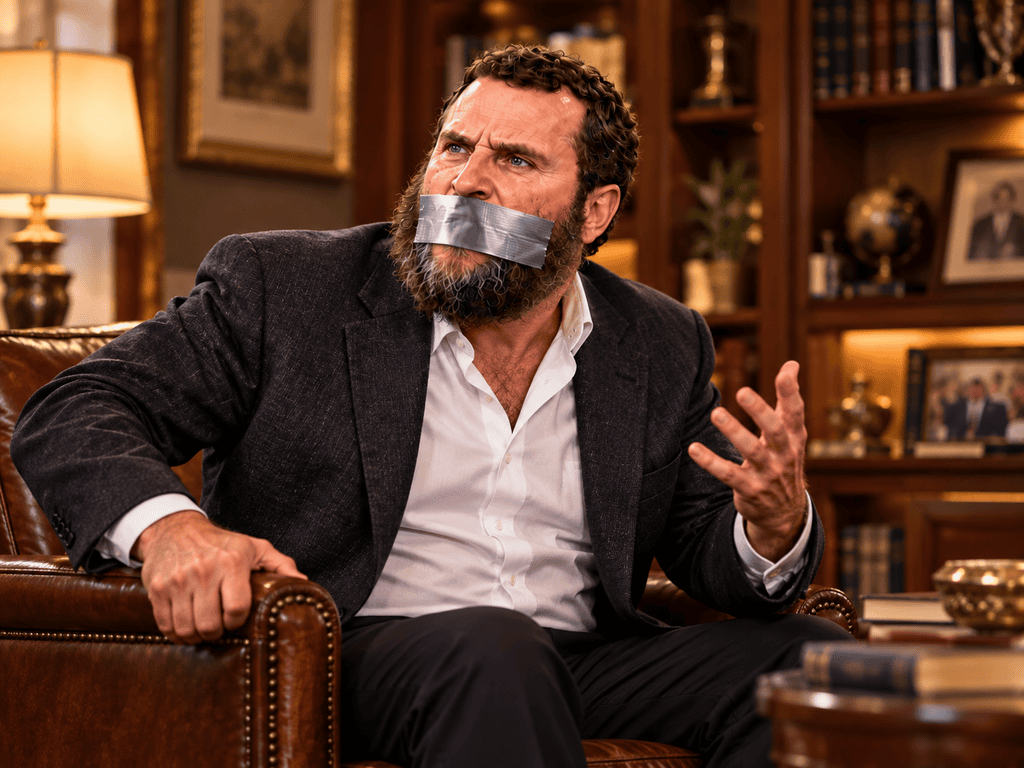
I want to make something very clear.
I am not suggesting that Rabbi Shmuley should be silenced.
Quite the opposite.
He has every right to express his opinions. He has every right to defend Israel as passionately as he wishes. Piers Morgan has every right to invite him onto his programme, and people who disagree with him have every right to challenge him.
That is what freedom of speech actually means.
My argument is different.
People who support Israel should not automatically assume that somebody is helping Israel simply because that person loudly declares himself to be its defender.
Judge the results.
Does the person persuade?
Does he clarify?
Does he make people understand Israel better?
Does he distinguish genuine antisemitism from legitimate political criticism?
Does he lower the temperature when doing so would help—or does he raise it every single time?
Those questions matter more than how loudly someone proclaims his loyalty.
Because good intentions do not guarantee good consequences.
A person can sincerely believe he is protecting a cause while damaging it.
And that, ultimately, is what I mean by the title of this article.
The greatest danger does not always come from people standing on the opposite side shouting that they are your enemies.
Sometimes it comes from people standing beside you, shouting that they are your friends, while driving everyone else further away.
For Israel and for Jewish people around the world, I believe that distinction is worth taking seriously.
Free Palestine!