Table of Contents
Back in the day there were certain European football clubs who felt entirely untouchable. When they stepped onto a pitch, victory felt like an inevitability, and their squads were packed with the absolute best of the best.
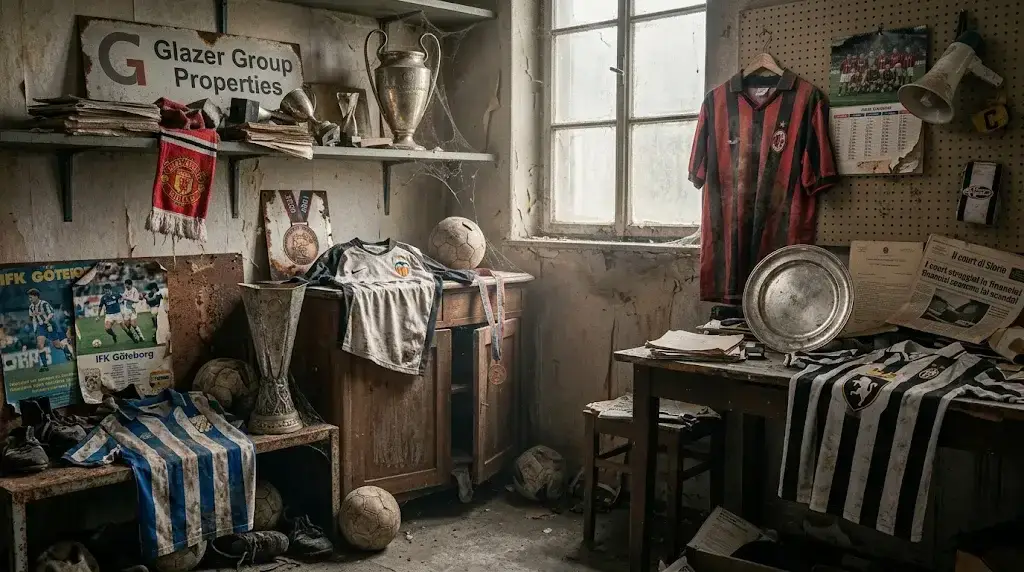
But football is a fast-moving, often ruthless game. Some of the sport’s most historic giants have suffered massive falls from grace, struggling to replicate the dynasties they once built. Here are five of the most striking examples—and the data that shows just how big the gap is between their glorious pasts and their current realities.
1. Manchester United
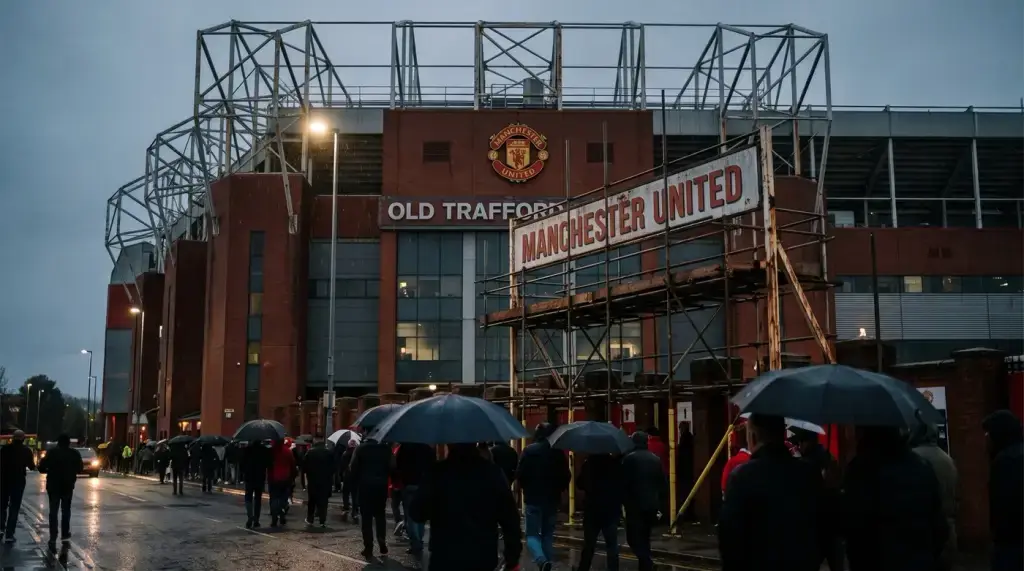
The difference between Manchester United under Sir Alex Ferguson and the club’s current reality is like night and day. During the Ferguson era, United was a terrifying force and a perennial contender for the Premier League and Champions League titles every single season, accumulating an incredible 38 major trophies during his tenure.
Today, despite possessing massive capital and spending exorbitant amounts of money under the Glazer ownership, the club has suffered a catastrophic drop-off. While they have managed to pick up a few domestic cups, they are a disaster compared to their former glory, with recent campaigns even sparking once-unthinkable conversations about relegation struggles.
| Titles Under Sir Alex Ferguson (1986–2013) | Titles After Sir Alex Ferguson (2013–Present) |
| 13x Premier League | 0x Premier League |
| 2x UEFA Champions League | 0x UEFA Champions League |
| 5x FA Cup | 2x FA Cup |
| 4x League Cup | 2x League Cup |
| 2x European Cup Winners’ Cup / Super Cup | 1x UEFA Europa League |
| 2x Intercontinental Cup / Club World Cup | 0x Global Trophies |
2. Valencia CF
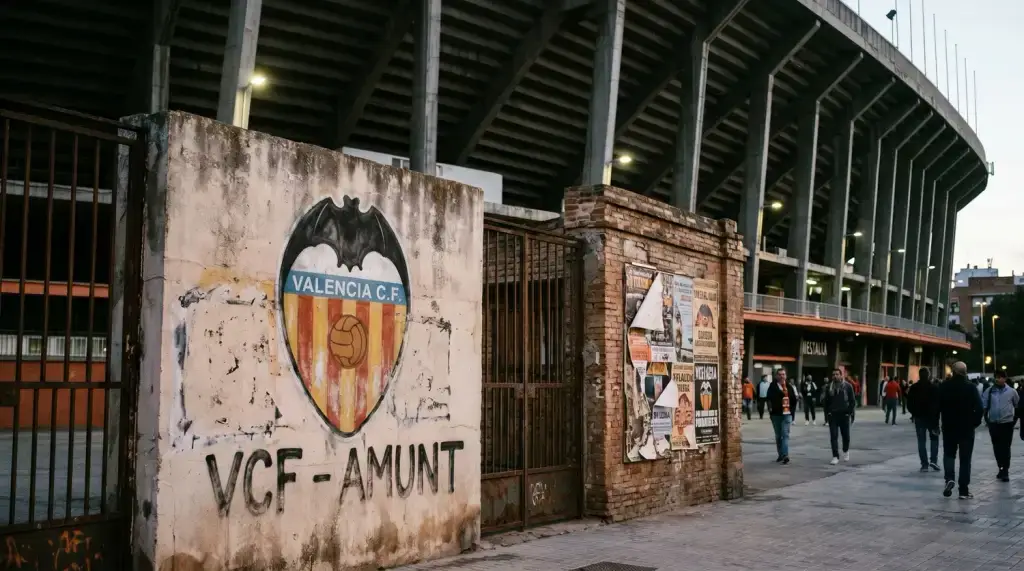
At the turn of the millennium, Valencia was an absolute powerhouse in Spanish and European football. They reached back-to-back Champions League finals in 2000 and 2001, boasting a formidable squad featuring legends like Gaizka Mendieta, Pablo Aimar, Joaquín, and Santiago Cañizares, who was arguably the best goalkeeper in the world at the time.
Today, the club is practically unrecognizable. Plagued by terrible finances and teetering on the edge of bankruptcy, their sporting project is in constant crisis—a tragic fall for a team that used to comfortably challenge Europe’s absolute elite.
| The Golden Era (1998–2004) | The Modern Era (2014–Present) |
| 2x La Liga Titles (2002, 2004) | 0x La Liga Titles |
| 1x UEFA Cup (2004) | 0x European Trophies |
| 2x UEFA Champions League Finals | 0x Champions League Appearances Recently |
| 1x Copa del Rey (1999) | 1x Copa del Rey (2019) |
3. AC Milan
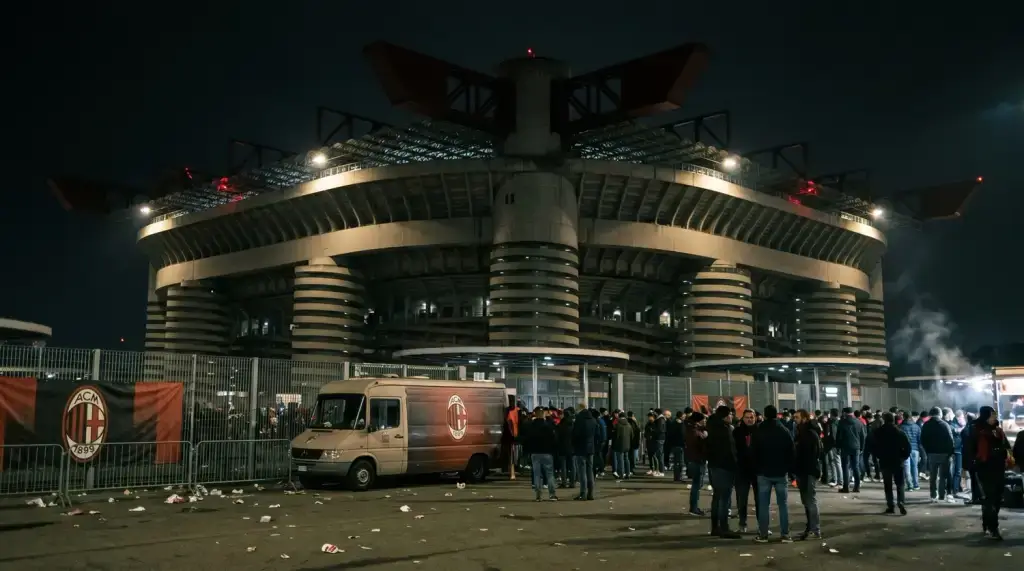
AC Milan’s demise goes hand-in-hand with the broader decline of Italian football, a shift that became especially stark following the Calciopoli scandal. In the late 90s and early 2000s, Serie A was on a completely different level, and Milan’s squads were brimming with quality. Take their 2003-2004 squad as an example: players stepping out of the tunnel included Clarence Seedorf, Andrea Pirlo, Gennaro Gattuso, Paolo Maldini, Alessandro Nesta, Cafu, Hernán Crespo, and Dida—with Kaká soon emerging as the best player in the world.
Today, it is impossible for Italian clubs to attract that kind of star power, and seeing players like Ruben Loftus-Cheek in the starting eleven highlights just how far Milan has drifted from the era when every top player in the world wanted to play at the San Siro.
| The Ancelotti Era (2001–2009) | The Post-2012 Era (2013–Present) |
| 2x UEFA Champions League Titles | 0x UEFA Champions League Titles |
| 3x UEFA Champions League Finals | 0x UEFA Champions League Finals |
| 1x Serie A Title | 1x Serie A Title (2022) |
| Routine European Favorites | Multi-year Absences from the Champions League |
4. Juventus
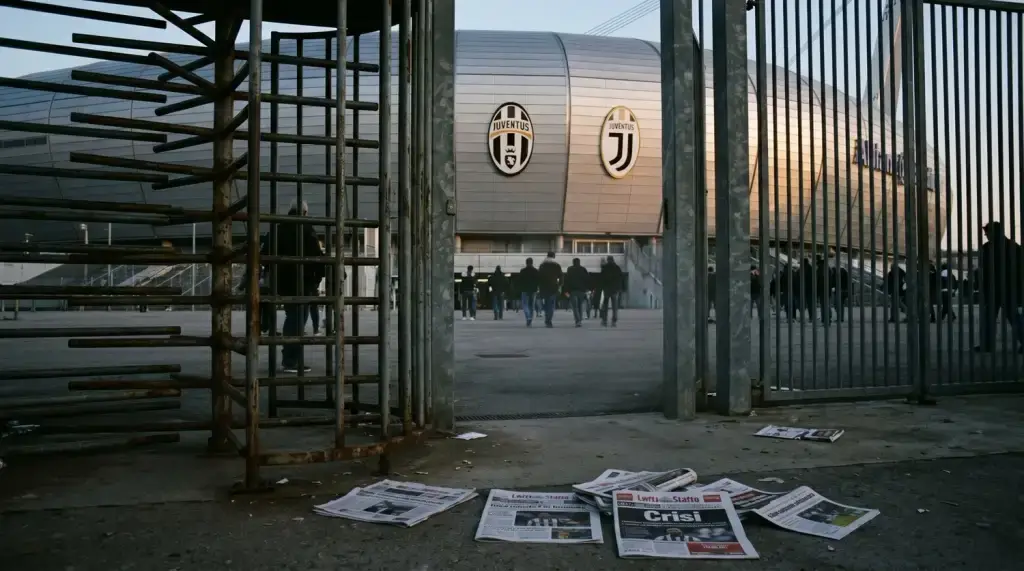
Juventus, alongside Milan, defined the peak of Italian dominance of European football. A regular European powerhouse, they won the Champions League in 1985 and 1996, fielding breathtaking talent. A quick glance at their historical rosters reveals absolute titans of the game: Zinedine Zidane, Pavel Nedvěd (an incredible, often underappreciated player just a tier below Zidane), David Trezeguet, Zlatan Ibrahimovic, Gianluigi Buffon, Fabio Cannavaro, and Alessandro Del Piero.
While Juventus managed a brief resurgence to reach the Champions League finals in 2015 and 2017, they are currently a long way from the fearsome side that used to enter every tournament as top contenders.
| 90s & 2000s European Powerhouse | The Current Landscape |
| 1x UEFA Champions League Title (1996) | 0x UEFA Champions League Titles |
| 4x UEFA Champions League Finals (1996–2003) | 0x European Finals Since 2017 |
| 5x Serie A Titles (1995–2003) | 0x Serie A Titles Since 2020 |
| Magnet for the World’s Best Players (Zidane, Nedvěd) | Financial Scandals & Point Deductions |
5. IFK Göteborg
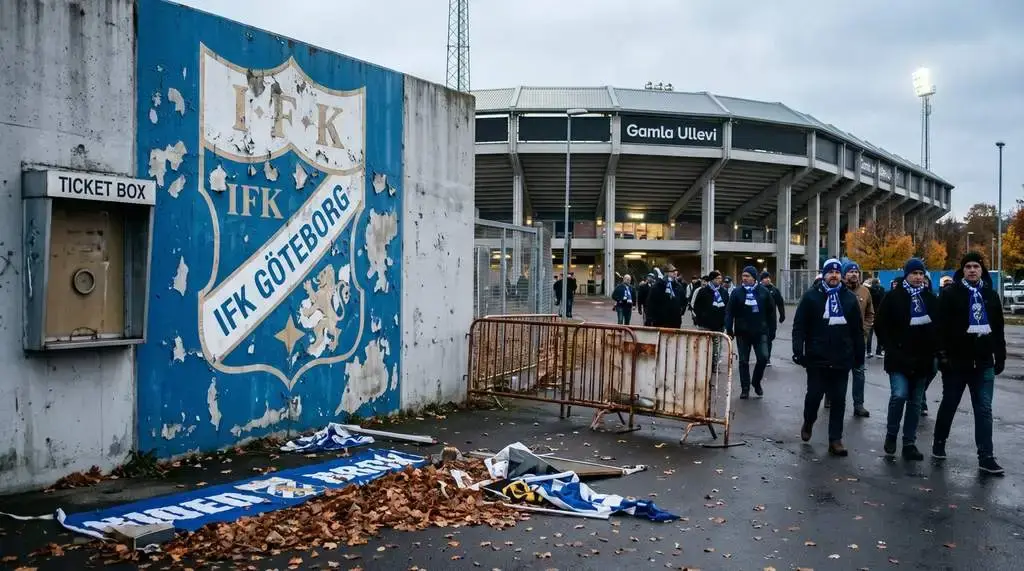
To understand the sheer amount of money now dictating modern football, look no further than IFK Göteborg. Back in the day, this Swedish club from my home town was a genuine European giant. They won the UEFA Cup twice—first in 1982, providing the major managerial breakthrough for Sven-Göran Eriksson, and again in 1987. Even more incredibly, during the 1994-1995 Champions League campaign, they famously topped a group containing Manchester United, Barcelona, and Galatasaray.
Due to the massive financial disparities in the sport today, a Swedish team pulling off a feat like that would be the biggest upset in history, leaving Göteborg’s legendary continental runs firmly in the past.
| The Continental Giants (1980s–1990s) | The Modern Reality (2010–Present) |
| 2x UEFA Cup Titles (1982, 1987) | 0x European Trophies |
| 10x Allsvenskan Titles (1982–1996) | 0x Allsvenskan Titles |
| Champions League Group Stage Winners (1994) | Struggle to Avoid Relegation from the Top Tier |
| Defeated European Elite (Barcelona, Man Utd) | Frequent Mid-Table Domestic Finishes |
Related football records and reading
Explore more sports articles on Viking Observer, including my published letters to the editor regarding football and society.
For historical honours and competition records, see the official UEFA European Cup and Champions League honours board and UEFA Cup and Europa League roll of honour. IFK Göteborg’s official club history and honours and Manchester United’s official trophy room provide further club records.