

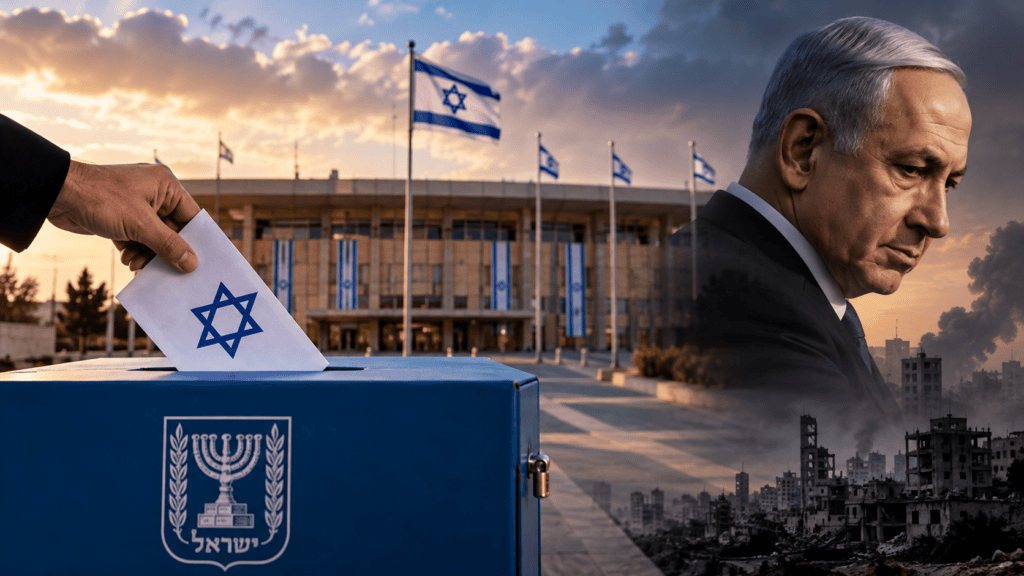
Israel goes to the polls on October 27, and after years dominated by Benjamin Netanyahu, the country could soon have a different prime minister.
That sounds like a major turning point.
But would a new leader really mean a new direction?
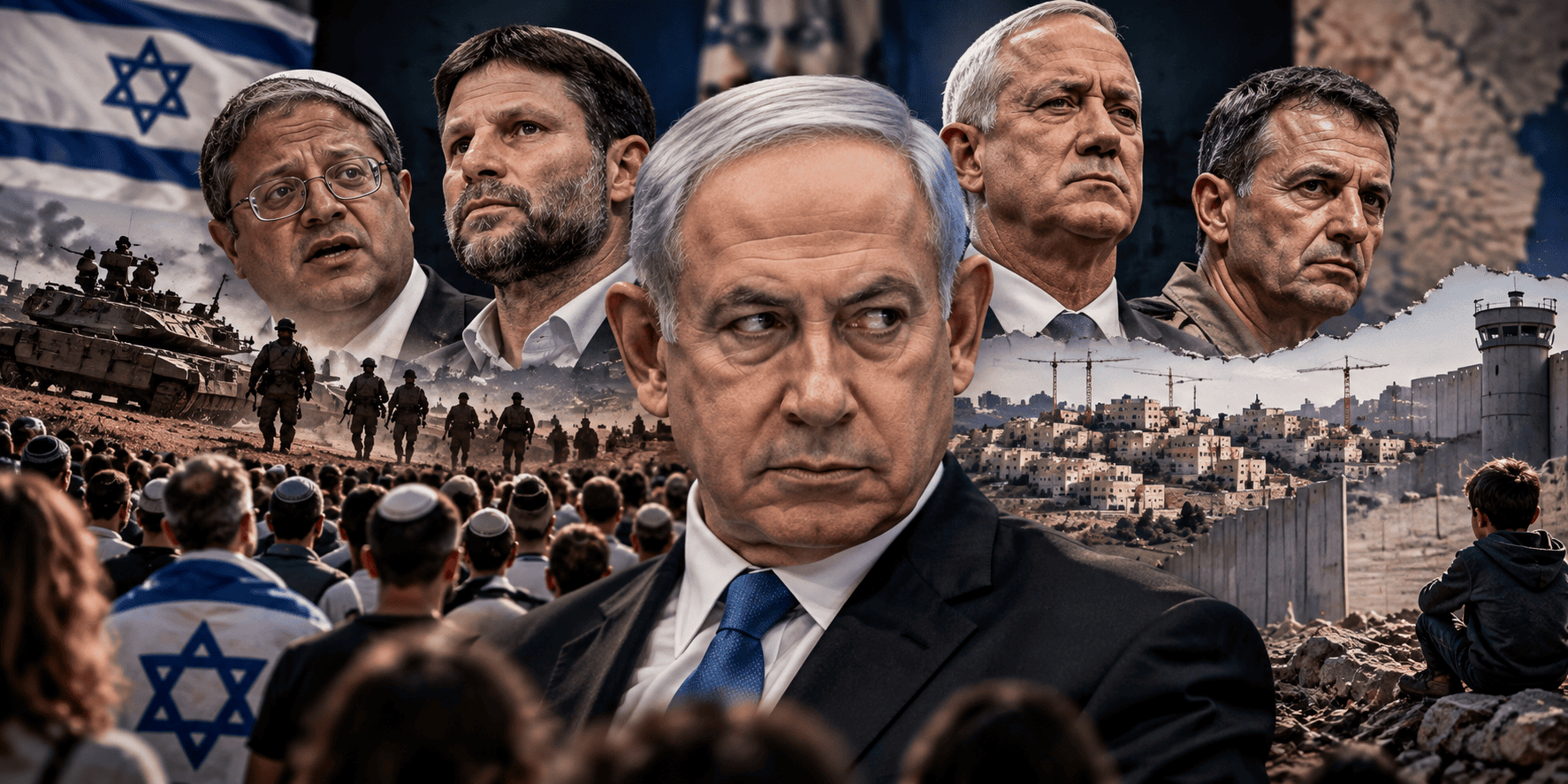
Netanyahu has become the international face of Israel’s wars, settlement expansion in the West Bank and its increasingly hardline politics. Because of that, it is tempting to assume that removing him would automatically produce a very different Israel.
I am not sure it would.
A different leader does not necessarily mean a different policy
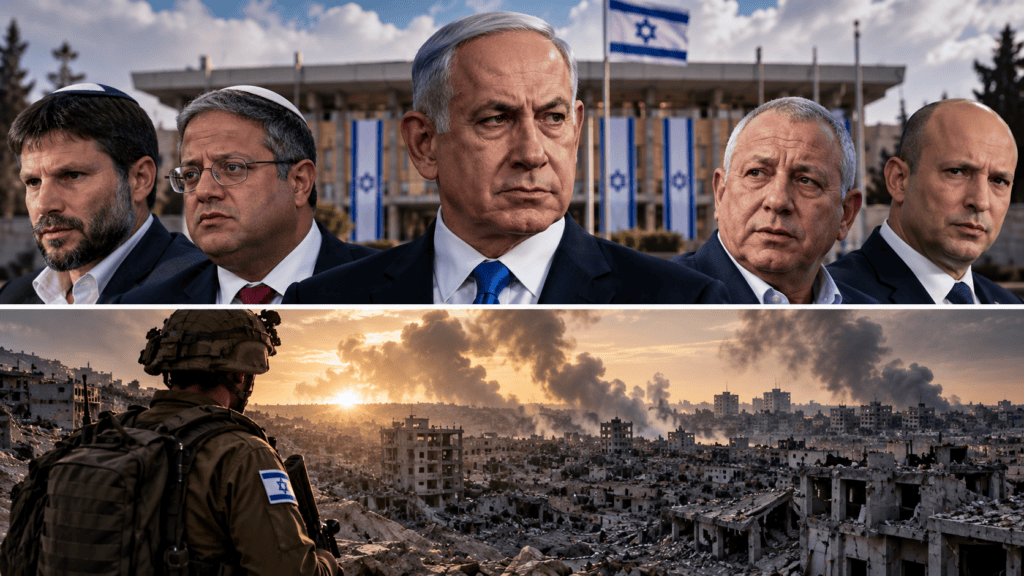
One of Netanyahu’s main challengers is former IDF chief Gadi Eisenkot, leader of the centrist Yashar party.
Eisenkot is clearly different from Netanyahu politically, but he is not campaigning as a traditional peace candidate.
In August, he said that anyone who still believes in a two-state solution after October 7 is “delusional.” At the same time, he opposed the E1 settlement expansion plan and criticized settler violence in the West Bank.
That combination is important.
It shows that an Israeli government could be less hardline than Netanyahu’s current coalition without embracing Palestinian statehood or returning to the kind of peace process many outsiders might expect from a change of government.
Would the military campaigns actually stop?
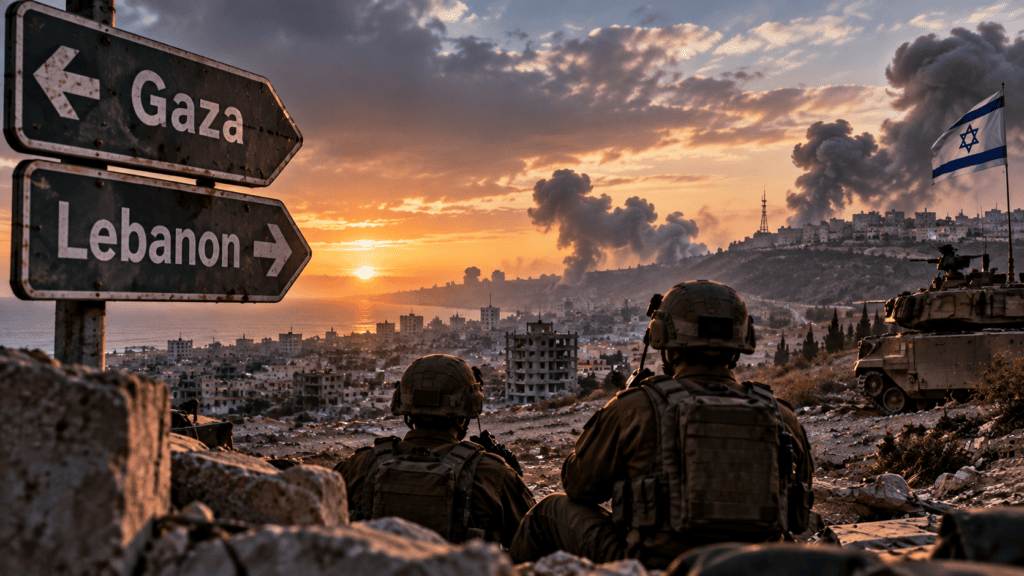
This may be the biggest practical question.
If Netanyahu loses, would a new prime minister end Israel’s current military campaigns and bring the troops home?
There is no public basis for assuming that would happen automatically.
In Gaza, the ceasefire has reduced the scale of fighting, but Israeli strikes have continued, and the issue of withdrawal remains tied to Hamas disarmament. Israel says Hamas must disarm before a full withdrawal, while the U.S.-backed roadmap envisages phased Israeli withdrawals alongside disarmament.
Lebanon is also unresolved. Israel still maintains forces in southern Lebanon, while the current framework links further withdrawal to the verified disarmament of Hezbollah. Israeli strikes have continued despite the ceasefire.
A new government could change the intensity of military operations, place greater emphasis on diplomacy or accept different compromises in negotiations.
But Eisenkot’s own security positions suggest that a change of prime minister would not necessarily mean an immediate end to military pressure. In June, he argued that Israel needed freedom of action against Hezbollah, including the ability to strike it in Beirut.
So a change of government may mean a different strategy rather than completely different security goals.
What about Ben-Gvir and Smotrich?
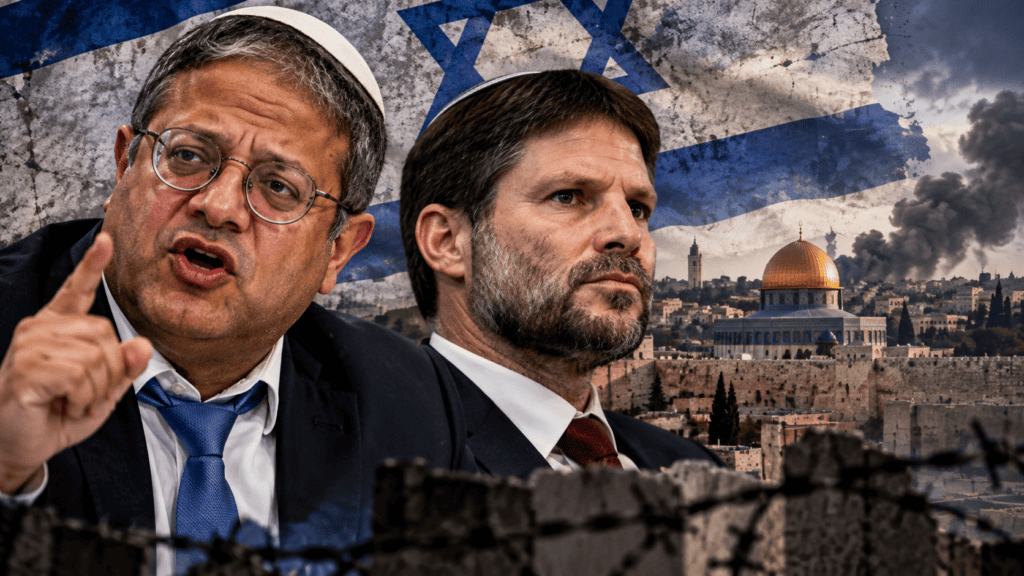
Another important question is what happens to Itamar Ben-Gvir and Bezalel Smotrich if Netanyahu is no longer prime minister.
A Netanyahu defeat would not automatically remove either man from Israeli politics.
Recent polling has continued to put both Otzma Yehudit and the Religious Zionism–Zehut list above the electoral threshold. If those results were reflected in the election, both movements would remain represented in the Knesset.
Whether they would actually join the next government is much less certain.
Eisenkot has said he does not currently see Smotrich as a coalition partner because of his policies, while Naftali Bennett has explicitly ruled out forming a government with Ben-Gvir but has not completely ruled out Smotrich.
So even if Netanyahu loses, Israel’s far right is unlikely simply to disappear. Ben-Gvir and Smotrich could remain important political figures even from the opposition benches, while the exact composition of the next government will depend on coalition negotiations after the vote.
The issue goes beyond Netanyahu
There is another reason I question how dramatic the change would really be.
Israeli policy does not exist separately from Israeli public opinion.
A Pew Research Center survey conducted in spring 2026 found that 17% of Israelis believed Israel and an independent Palestinian state could coexist peacefully, while 56% said they did not believe peaceful coexistence was possible.
Among Jewish Israelis, 16% said coexistence was possible, while 64% said it was not.
That does not mean all Israelis think alike. Israel is deeply divided politically, and there are Israelis who oppose settlements, oppose the current government and support a negotiated settlement with the Palestinians.
But the numbers suggest that skepticism toward Palestinian statehood extends far beyond Netanyahu and the parties currently governing with him.
So what could actually change?
None of this means the election is meaningless.
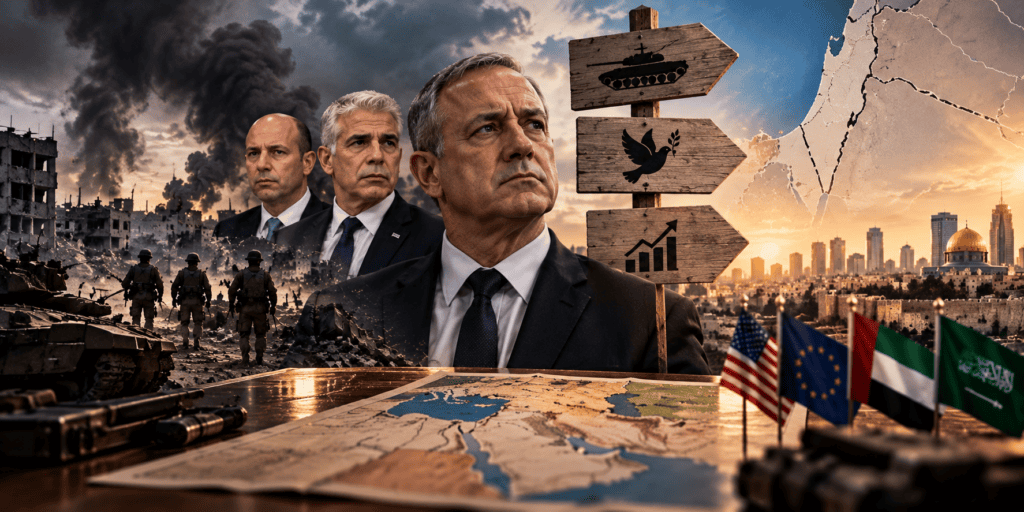
A different government could change the tone of Israeli politics, reduce the influence of the far right, alter relations with the United States and Europe, take a different approach to settler violence and negotiations, and change how Israel conducts its military operations.
Those could all be significant differences.
But they would not necessarily amount to a complete reversal of Israel’s broader approach toward the Palestinians or its regional security policy.
That is why, for me, the October election raises a bigger question than simply whether Netanyahu stays or goes:
Is Israel preparing to change its government, or is it actually prepared to change its direction?
A new prime minister could bring a different style, different ministers and different tactics.
But if the next government still rejects Palestinian statehood and continues to rely heavily on military power in Gaza, Lebanon and the wider region, then the leadership may change more dramatically than the underlying policy.
And that may be the most important thing to watch after October 27.
Related reading: Did Netanyahu Know About October 7 Before it Happened? and Gaza From Above: A Failure of Humanity.