
Reporting reviewed: October 5, 2026. Opinion and analysis.
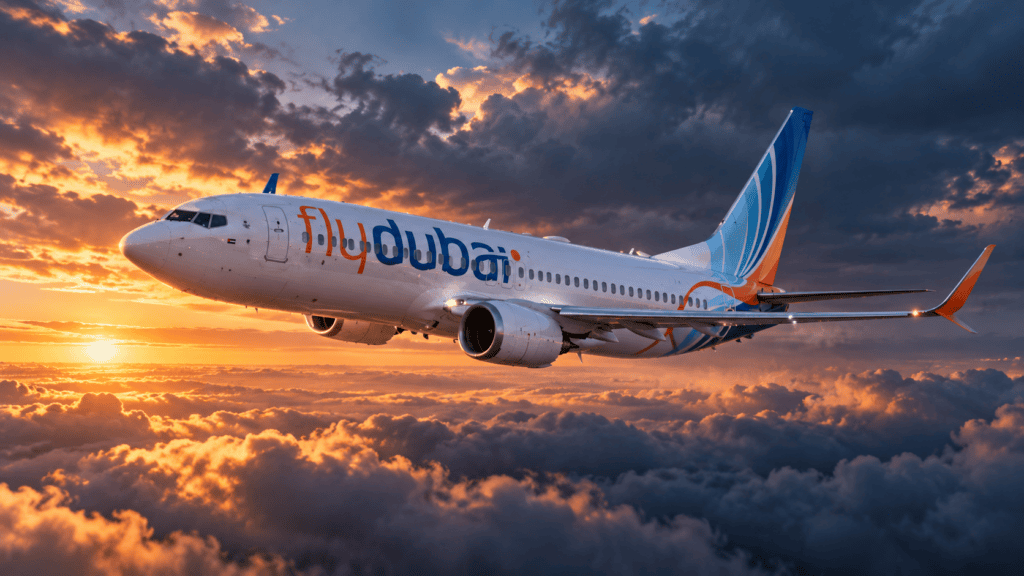
The suspect in the Flydubai cockpit attack probably acted alone, Israeli sources told CNN on October 4. One source said no link to a group or government had been identified. That assessment remains preliminary, but it matters—especially after Donald Trump suggested Iranian involvement.
Reuters reported on October 5, citing Israeli officials, that the suspect allegedly planned the attack before joining the airline. Those allegations deserve serious investigation. Planning an attack and receiving direction from another country are still separate questions though.
As Ana Kasparian discussed in the YouTube-clip from my first post about the Flydubai attack, the incident raises serious concerns. It should therefore be followed by a transparent investigation.
Trump suggested an Iranian connection “based on what I’m hearing,” without providing further details, according to CNN. For a president to publicly implicate another country on that basis is, in my view, deeply irresponsible. An accusation with potentially dangerous consequences demands more than vague sourcing.
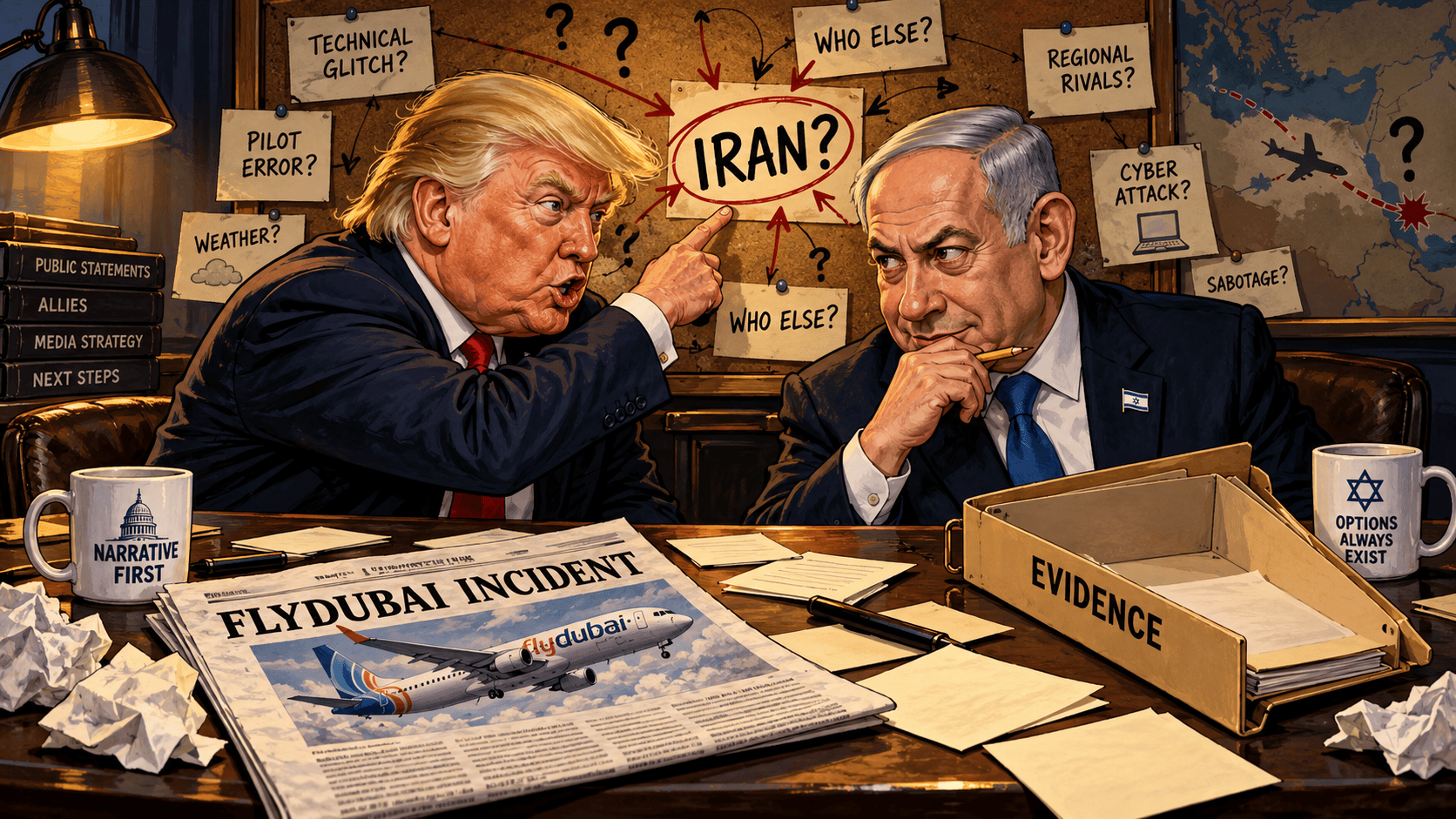
AI-generated political satire; this illustration does not depict an actual meeting.
Netanyahu told Fox News that the suspect had undergone “Islamist radical indoctrination,” citing personal information without explaining it in detail. Reuters reported that he also acknowledged conclusions were not final and that Iranian involvement could not yet be established. Those qualifications matter, but so does the need to explain the evidence behind his claims.
CNN reported that al-Qaeda imagery appeared on a LinkedIn profile associated with the suspect after the attack, with uncertainty about who published it or whether it was scheduled. Such material warrants investigation, but it does not establish any sort of Iranian involvement whatsoever.
How did the suspect clear screening?
The aircraft was heading from Dubai to Tel Aviv. The suspect was Omani and had reportedly been removed from a previous position over extremist concerns, according to CNN’s reporting. Who knew about those concerns? Were they shared with Flydubai? What checks were conducted before he was assigned to this flight?
According to Netanyahu, agreements restrict pilots from countries without diplomatic relations with Israel—including Oman—from operating flights into the country, AP reported. Yet Israeli reporting suggests Omani pilots had previously flown the route. Was this an isolated oversight or a longstanding enforcement failure? These questions demand answers. They do not, by themselves, prove a wider plot though.
Evidence before political messaging
I question how early Israeli officials used the terrorism label. Defense Minister Israel Katz described the attacker as a terrorist while the investigation was developing, according to Reuters. UAE authorities subsequently called it a terrorist act, as CNN reported. Acting alone does not exclude terrorism, but journalists should scrutinize official characterizations rather than simply repeat them.
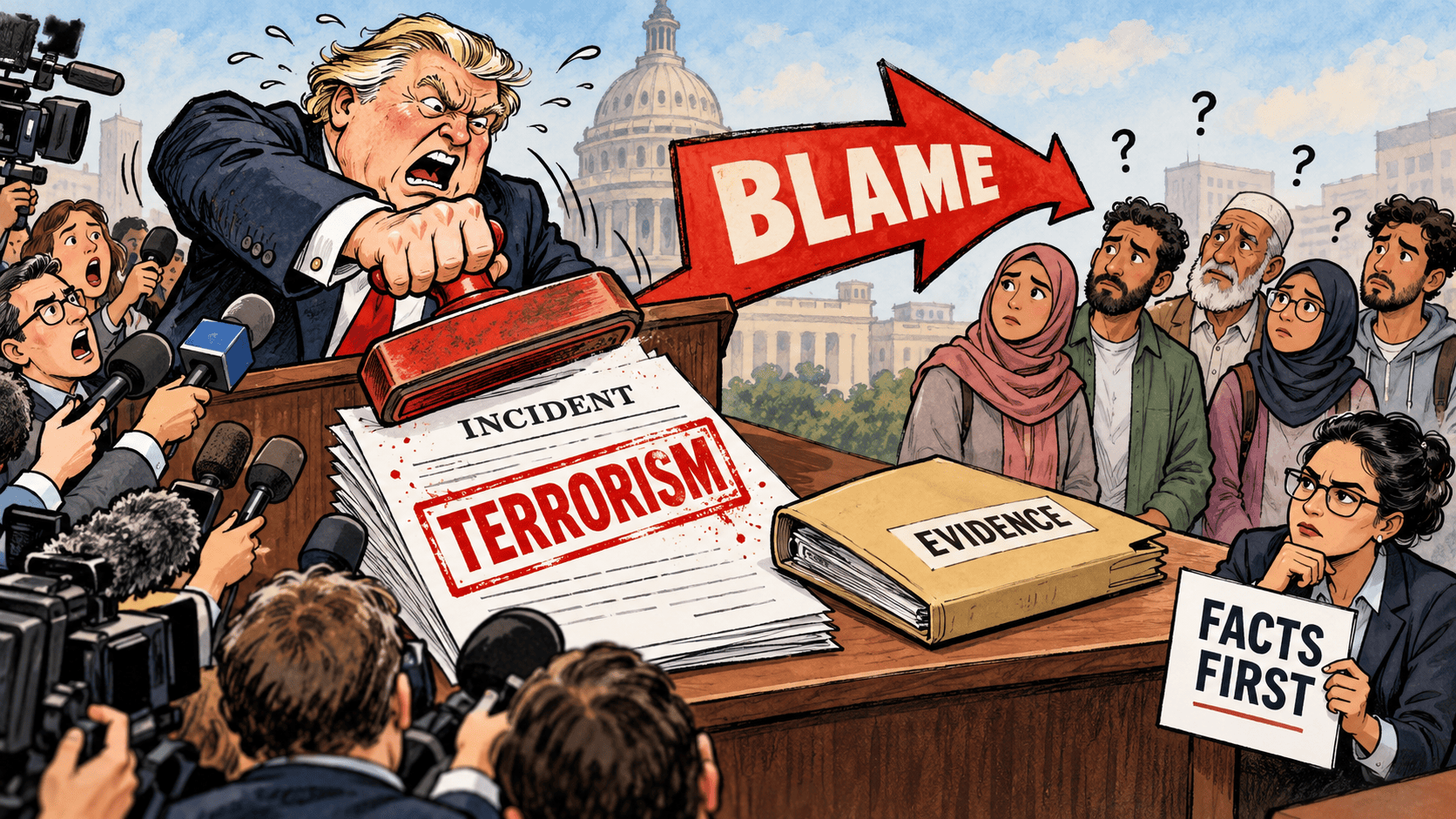
AI-generated political satire about premature accusations and collective blame.
My concern is the political use of uncertainty: invoking familiar enemies while questions about accountability remain unanswered.
Alleged extremist beliefs are not proof of foreign coordination, and one individual’s actions cannot justify suspicion toward Muslims collectively.
As I argued in my post about Netanyahu and the election, political accountability matters. Distrust is not proof, but neither is a leader’s assertion.
The investigation should follow the evidence wherever it leads. Fear must not become an electoral asset or another argument for war.
Nor should this attack become a justification for further devastation of Palestinians—a concern central to Gaza From Above: A Failure of Humanity.
Further reading: My Final Thoughts on the Flydubai Incident.